Unlocking Possibilities: How Montessori Methods Revolutionize Learning for Every Child
Montessori methods offer a novel methodology to education that prioritizes independence, inquisitiveness, and logical reasoning. By constructing prepared environments and utilizing tactile resources, these practices cater to multiple learning modalities. Age-mixed classrooms cultivate collaboration and give children the ability to move ahead at their own pace. This holistic approach not only boosts scholastic abilities but moreover supports personal growth. What implications does this bear upon for the future of education? Looking into these questions brings to light profound insights.
The Essential Ideas Underlying Montessori Education
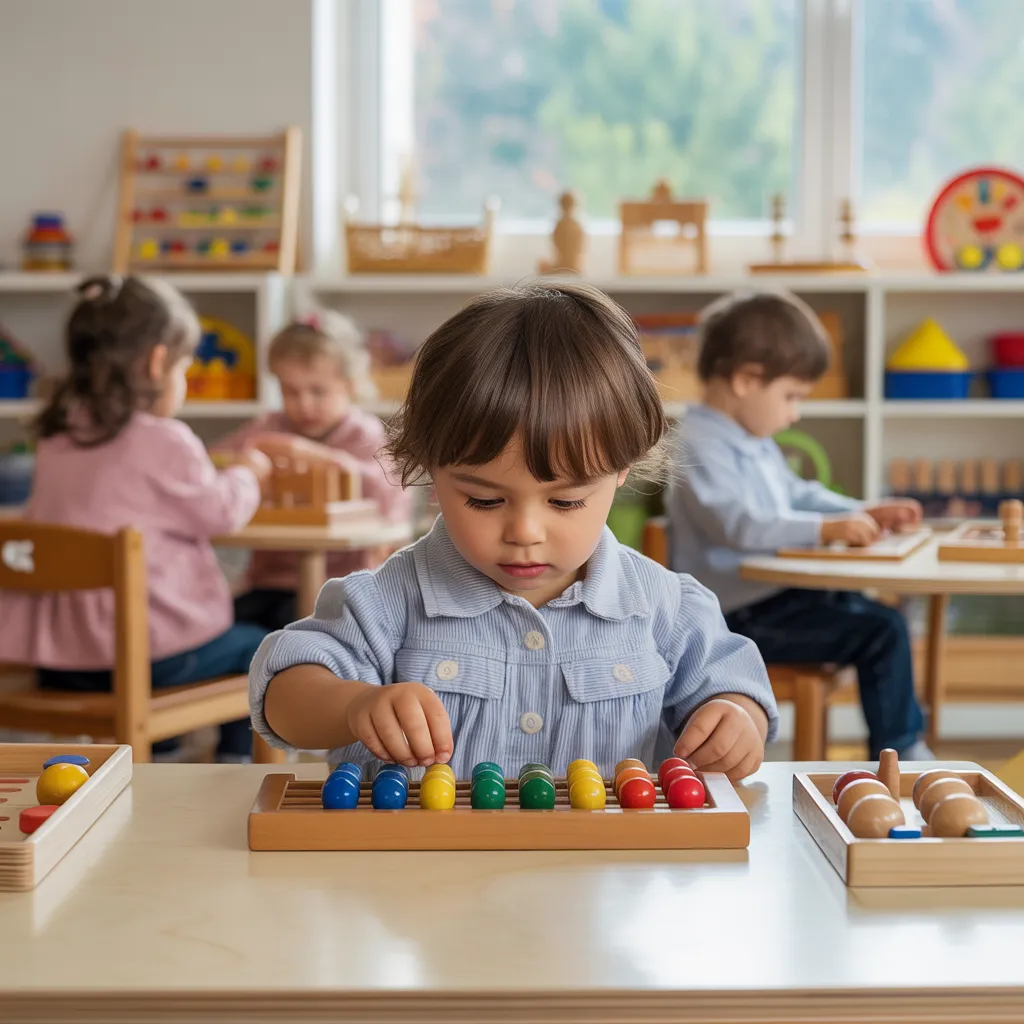
The base of Montessori education is built upon several fundamental principles that direct its educational strategy. Central to this philosophy is the belief in the innate potential of each child, stressing respect for their individual developmental pace. The prepared environment is crucial, meant to promote exploration and self-directed activity. Materials are carefully selected to be interesting and suitable for development, allowing children to learn through hands-on experiences. Moreover, the Montessori method supports a mixed-age classroom setting, enhancing collaboration and peer learning. Teachers act as mentors rather than traditional instructors, facilitating learning while observing and supporting each child's unique journey. This holistic approach not only develops cognitive skills but also social and emotional development, building a lifelong love for learning. Through these principles, Montessori education aims to create independent, confident learners who are equipped to navigate the world around them.
The Way Montessori Instruction Encourages Self-Sufficiency in Children
Montessori education uniquely fosters independence in children through self-directed learning, enabling them to take charge of their educational journey. By emphasizing practical life skills, children gain confidence in their abilities to manage everyday tasks. Furthermore, the freedom of choice prompts them to make decisions, further boosting their autonomy and self-reliance.
Fostering Self-Guided Knowledge Acquisition
Promoting autonomy in children, the Montessori approach focuses on self-directed learning as a core principle. This method supports children to take control of their educational path, letting them to select activities that suit their interests and developmental levels. Through a carefully prepared environment stocked with materials, educators support exploration and discovery, enabling students to seek knowledge at their own speed. This self-governance not only builds critical thinking and problem-solving get the full story abilities but also fosters a sense of accountability. As children participate in self-directed activities, they gain confidence in their skills, increasing their intrinsic motivation. In the end, this method nurtures lifelong learners armed with the tools needed to navigate an ever-changing world, establishing a solid foundation for future educational pursuits.
Vital Life Skills
Empowering children to master real-life abilities is a cornerstone of Montessori education. By engaging in hands-on activities, children acquire fundamental skills like pouring, sweeping, and dressing that promote independence and confidence. Age-appropriate by design, these activities enable kids to proceed at their individual pace. By practicing real-life skills, they enhance fine motor coordination and cognitive abilities, reinforcing their sense of accomplishment. Additionally, the emphasis on responsibility fosters a connection to their environment and community. As youngsters navigate these tasks, they gain problem-solving skills and an understanding of the consequences of their actions. Practical life skills ultimately equip children for daily living and foster a lasting love of learning and autonomy.
Freedom of Preference
Children who participate in practical life skills build a robust framework for self-reliance, which is amplified by the freedom of choice central to Montessori education. This method permits children to pick tasks that resonate with their interests and developmental needs, fostering a investment over their learning. By making choices, they develop the ability to assess their preferences, organize time, and cultivate problem-solving skills. This autonomy promotes self-motivation and self-assurance, as children journey through their learning path at their own pace. Additionally, the classroom setting is carefully designed to facilitate these selections, with materials within reach and appealing. As an consequence, children in Montessori settings not only foster self-reliance but also create a lifelong love for learning through inquiry and investigation.
Why Direct Learning Awakens Curiosity
Hands-on learning operates as a driver for inquisitiveness in children by involving their senses and promoting active participation. This approach promotes independent exploration, enabling students to discover concepts through their own experiences. Additionally, it develops creative problem-solving skills, empowering learners to navigate challenges in original ways.
Engaging Through Sensory Experiences
Numerous investigations stress the significant impact of sensory experiences in early education, showing how hands-on contact can spark fascination. In Montessori classrooms, students engage with resources that stimulate their senses, promoting discovery and learning through touch, sight, sound, and movement. For instance, using sandpaper letters enables students to feel the shapes of letters while simultaneously learning to recognize them. This multisensory method not only enhances mental development but also encourages emotional connections to the learning process. As students manipulate various objects, they cultivate fine motor skills and spatial awareness, vital for future academic success. Ultimately, sensory experiences create a rich, engaging environment that supports curious minds, transforming learning a dynamic and enjoyable journey.
Promoting Self-Reliant Inquiry
Building on the importance of sensory experiences, nurturing independent exploration acts as a natural extension of Montessori principles. Within this method, children are encouraged to engage with their environment independently, enabling them to explore their interests and questions. Hands-on learning activities create opportunities for students to work with materials and grasp concepts at their own pace. This autonomy not only stimulates curiosity but also fosters confidence, as children learn to trust their instincts and make choices. By providing an environment rich in resources and tools, educators assist this exploration, guiding children to follow their inherent inquisitiveness. Ultimately, nurturing independent exploration builds a lifelong enthusiasm for learning, empowering children to seek knowledge beyond the classroom.
Encouraging Creative Solution Finding
Exploration of hands-on objects kindles children's imaginations and advocates for creative answer-finding. In Montessori learning spaces, hands-on activities enable children to look into concepts through personal involvement. This framework develops curiosity, letting learners to investigate and perfect on their ideas. When facing challenges, children come to know to create multiple pathways, strengthening their critical thinking skills.
The use of manipulatives, such as building blocks or art supplies, invites discovery and risk-taking in a safe space. Children are encouraged to pose inquiries and seek answers independently, developing resilience and adaptability. This method nurtures not only learning abilities but also social awareness, as children collaborate and convey understanding. Ultimately, Montessori techniques transform traditional education by enabling students to become resourceful problem solvers.
How Montessori Methods Boost Academic Success
Montessori techniques foster a distinctive learning environment that boosts scholastic achievement by promoting self-directed exploration and critical thinking. In this approach, learners work with hands-on materials that address various learning styles, supporting deeper understanding of principles. The emphasis on personalized education allows children to move at their own pace, fostering a feeling of control over their education.
Furthermore, the age-diverse classroom settings advance peer learning, where younger students can learn alongside older peers, reinforcing knowledge through teaching. This community-oriented environment strengthens communication skills and nurtures a love for learning. Teachers stand as mentors rather than conventional lecturers, supporting inquiry and exploration.
Assessment in Montessori settings highlights mastery rather than grades, assisting students in cultivating intrinsic motivation. As a outcome, children frequently display superior academic resilience, contributing to improved performance in standardized assessments. Overall, Montessori methods build a robust foundation for ongoing education and academic achievement.
Essential Life Skills Developed Through Montessori Education
Cultivating independence and responsibility, Montessori schooling develops essential life skills that extend beyond formal education. This approach inspires children to demonstrate leadership and make choices, fostering decision-making abilities vital for long-term achievement. By immersing themselves in hands-on activities, students cultivate problem-solving skills and gain proficiency in scheduling and organization. The priority given to collaboration within heterogeneous groups also nurtures social skills, teaching children understanding and regard for their classmates.
In addition, Montessori education reinforces self-discipline by means of established procedures, enabling children understand the repercussions of their actions. Practical life activities, like cooking and gardening, instill a sense of care and stewardship for their habitat. These experiences strengthen motor skills and also build confidence and fortitude. Ultimately, the competencies acquired through Montessori instruction allow children to navigate challenges and acclimate to new situations, preparing for a fulfilling future.
Personalizing Montessori Schooling to Diverse Learning Styles
Tailoring instructional approaches to address diverse learning styles creates a more inclusive and effective learning environment. Montessori education is inherently flexible, understanding that children learn in multiple ways—visually, auditorily, and kinesthetically. Through hands-on activities and materials, students engage with concepts in a way that aligns with their individual preferences.
Teachers carefully observe each child, recognizing individual strengths and weaknesses. This assessment informs personalized lesson plans that correspond to each learner's preference, fostering deeper understanding and retention. For instance, a child who thrives in spatial reasoning may gain from working with geometric shapes, while another might thrive through storytelling.
This openness generates a sense of agency, motivating students to take control of their learning journey. By valuing and accommodating diverse learning styles, Montessori education not only enhances academic achievement but also nurtures a love for learning that spreads beyond the classroom.
Getting Ready for Lifelong Triumph: The Montessori Advantage
An education that honors diverse learning preferences lays a strong base for enduring achievement. The Montessori approach highlights self-directed learning, allowing children to explore their interests at their own pace. This method cultivates analytical reasoning and problem-solving skills, crucial qualities in an constantly evolving world. By promoting independence, students learn to take responsibility for their education, equipping them for upcoming obstacles.
Moreover, the combined-age classroom atmosphere facilitates joint learning and learning from peers, boosting social skills and emotional intelligence. Children establish respect for multiple viewpoints, which is vital for success in global contexts. The concentration on interactive, practical engagement further furnishes students with functional expertise relevant beyond the classroom.
Ultimately, the Montessori strength lies in its holistic philosophy, encouraging not only academic excellence but also self-improvement. This all-encompassing educational approach readies children to face life's complexities, ensuring they possess the tools necessary for sustained success.
Common Asked Questions
What Age Demographics Benefit Most From Montessori Learning?
Children aged 3 to 6 years gain the most benefit from Montessori education, as this stage develops independence and independent educational practices. However, older age groups, including elementary students, also obtain valuable skills through the Montessori approach.
How Can Montessori Education Cater to Children With Special Needs?
Montessori education accommodates children with special needs by offering personalized educational instruction, fostering independence, and permitting flexibility in pace. This customized method enables varied students to flourish in a caring and encouraging setting, promoting their unique strengths.
Are Montessori Schools Higher in Cost Than Traditional Schools?
Montessori schools typically charge higher tuition compared to traditional schools, mainly because of smaller class sizes, specialized materials, and individualized instruction. However, costs can vary considerably based on geographic area and particular curriculum options.
What Qualifications Do Montessori Teachers Need?
Montessori educators typically require a bachelor's degree and specialized training in Montessori approaches, which includes both academic understanding and hands-on training. Certification from recognized Montessori organizations is often necessary for teaching in certified schools.
How Can Guardians Implement Montessori Principles at Home?
Parents can support Montessori methods at home by designing a well-structured setting, cultivating independence, providing alternatives, stimulating exploration, and advancing tactile instruction. Participating in exploratory dialogue also strengthens critical thinking and develops a young person's innate wonder.